Disclosure: This post contains affiliate links. We may earn a commission if you purchase through our links, at no extra cost to you.
If you've ever stared into your fridge on a Tuesday night with zero energy and zero plan, you already know why meal prepping matters. These easy meal prep ideas for beginners are designed to help you take back control of your eating, save money, reduce stress, and actually lose weight without feeling deprived. Whether you're brand new to the kitchen or just new to batch cooking, this guide walks you through everything you need to know in 2026.
What Is Meal Prep and Why Does It Work?
Meal prep simply means preparing some or all of your meals in advance — usually once or twice a week. You might cook full meals, or you might just chop vegetables, cook grains, and portion out proteins so assembly is fast later.
According to the USDA's MyPlate guidelines, planning meals ahead is one of the most effective strategies for maintaining a balanced diet. When healthy food is already ready in your fridge, you're far less likely to reach for fast food or processed snacks.
For weight loss specifically, the biggest benefit is portion control. You decide exactly what goes into each container before hunger strikes and clouds your judgment.
Benefits of Weekly Meal Prep for Weight Loss
The advantages go well beyond convenience. Here's what consistent weekly prep can do for your health goals:
- Saves serious time: Most beginners find they save 3 to 4 hours during the week by prepping on Sunday.
- Cuts calories naturally: Home-prepped meals average 200 to 300 fewer calories than restaurant equivalents.
- Reduces food waste: Buying and using ingredients with a plan means less spoilage and more savings.
- Supports consistent nutrition: You can hit your daily protein, fiber, and calorie targets far more reliably.
- Lowers stress: Decision fatigue is real. Knowing dinner is handled at 6 PM is genuinely life-changing.
June is actually one of the best months to start. Fresh summer produce — zucchini, corn, berries, tomatoes — is affordable and abundant right now, making your meals tastier and more nutrient-dense without extra cost for easy meal prep ideas.
Easy Meal Prep Ideas for Beginners: Best Recipes to Start With
You don't need complex recipes to get results. The best starter meals are simple, filling, and built around whole foods for easy meal prep ideas. Here are some reliable options organized by meal type.
High-Protein Breakfast Options
- Overnight oats: Combine ½ cup rolled oats, ¾ cup unsweetened almond milk, and a tablespoon of chia seeds. Prep five jars Sunday night. Each jar is roughly 280 calories and delivers about 10 grams of protein.
- Egg muffins: Whisk 8 eggs with diced peppers, spinach, and a small amount of feta. Pour into a muffin tin and bake at 375°F for 20 minutes. You get 12 grab-and-go muffins, each under 90 calories.
- Greek yogurt parfait cups: Layer plain nonfat Greek yogurt with berries and a sprinkle of granola in small mason jars. Quick to assemble and around 200 calories each.
Low-Calorie Lunch Ideas
- Mason jar salads: Layer dressing on the bottom, then chickpeas, cucumber, cherry tomatoes, and greens on top. Stays crisp for 4 days.
- Turkey and quinoa bowls: Season lean ground turkey with cumin and garlic, serve over cooked quinoa with roasted zucchini. Under 400 calories per serving and loaded with protein.
- Chicken lettuce wraps: Shredded rotisserie chicken, shredded carrots, and a simple peanut sauce in butter lettuce cups. Fast to assemble and around 320 calories.
Simple Dinner Recipes
- Sheet pan salmon and veggies: Season salmon fillets with lemon, garlic, and herbs. Roast alongside broccoli and cherry tomatoes at 400°F for 20 minutes. Around 380 calories per portion.
- Black bean and sweet potato burrito bowls: Cook once, eat four times. High in fiber, plant-based protein, and genuinely satisfying at roughly 420 calories per bowl.
- Slow cooker chicken and white beans: Dump chicken thighs, canned white beans, diced tomatoes, and Italian seasoning into your slow cooker. Set it, forget it, portion it out.
How to Start Meal Prepping: A Simple Step-by-Step Approach
Getting started is easier than most people think. Follow this weekly rhythm and you'll have food ready every single day.
- Pick your prep day. Sunday works for most people, but Wednesday evening works well as a mid-week refresh. Commit to just one day to start.
- Choose 2 to 3 recipes maximum. Beginners who try to prep 7 different meals burn out fast. Keep it simple — one protein, one grain, two vegetables.
- Write a grocery list and stick to it. Plan every meal before you shop. This alone can cut your grocery bill by 20 to 30 percent.
- Cook in batches using parallel tasks. While your oven roasts vegetables, cook grains on the stovetop and prep your salad jars at the counter simultaneously.
- Portion immediately into containers. Don't leave food in pots. Divide servings right away so grabbing a meal takes seconds, not thought.
- Track your nutrition. Use a free app like MyFitnessPal to log your prepped meals once. You'll know exactly how many calories and grams of protein are in each container going forward.
What Containers Should I Use for Meal Prep?
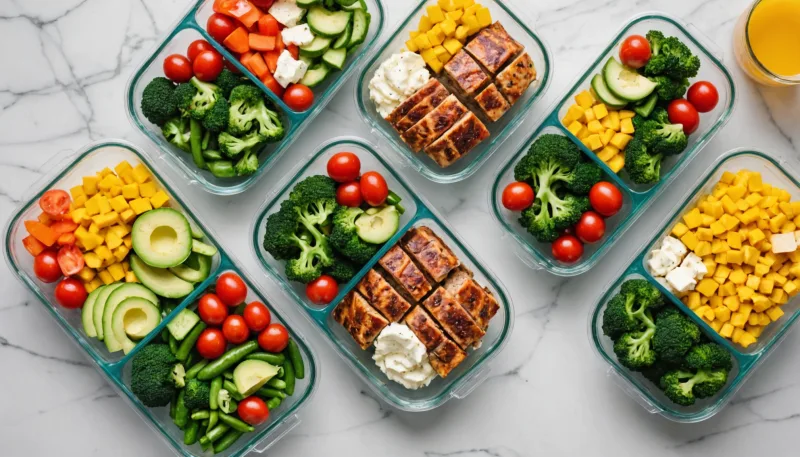
Your containers matter more than most beginners realize. The right ones keep food fresh longer, prevent leaks, and make portion control visual and easy.
Top picks for 2026:
- Glass meal prep containers: Best for reheating, durability, and avoiding chemical leaching. Look for sets with locking lids and compartments.
- BPA-free plastic containers: Lighter and more budget-friendly. Great for salads, snacks, and items you won't reheat.
- Mason jars: Perfect for overnight oats, salads, sauces, and smoothie ingredients.
- Divided bento-style boxes: Ideal if you want to keep proteins, carbs, and veggies separated until eating.
Investing in a quality set of meal prep containers — around $25 to $40 for a solid starter set — is genuinely one of the best purchases you'll make for your weight loss journey.
How Long Does Meal Prep Last in the Fridge?
This is one of the most common questions, and the answer varies by food type. As a general rule:
- Cooked proteins (chicken, turkey, beef, fish): 3 to 4 days
- Cooked grains (rice, quinoa, oats): 4 to 5 days
- Roasted vegetables: 4 to 5 days
- Salads with dressing stored separately: 3 to 4 days
- Overnight oats and yogurt parfaits: 3 to 4 days
To maximize freshness, always let food cool completely before sealing containers. Store proteins separately from grains and vegetables when possible.
Nutritional Goals: How Many Calories Should Meal Prep Meals Contain?
For weight loss, most adults aiming to lose one to two pounds per week should target a daily intake of 1,400 to 1,800 calories, depending on size and activity level. A good meal prep framework looks like this:
- Breakfast: 250 to 350 calories
- Lunch: 350 to 450 calories
- Dinner: 400 to 500 calories
- Snacks: 150 to 250 calories total
Prioritize high-protein, high-fiber meals. Protein keeps you full, preserves muscle during weight loss, and requires more energy to digest. Aim for at least 25 to 35 grams of protein per main meal.
Common Mistakes Beginners Make (And How to Avoid Them)
- Prepping too much variety at once. Start with a "protein + grain + veggie" formula and rotate weekly.
- Skipping seasoning. Bland food leads to abandoning your prep. Invest in good spices.
- Not prepping snacks. Hunger between meals derails many weight loss plans. Pre-portion nuts, cut fruit, or hard-boiled eggs.
- Forgetting about breakfast. Morning is when most people make the worst food choices. Always include breakfast in your prep.
- Using the wrong containers. Leaky, mismatched lids create chaos. Matching, stackable sets with secure lids make all the difference.
Frequently Asked Questions
What is the best meal prep approach for someone just starting out?
The best starting point is the "batch basics" method: cook one protein, one grain, and two roasted vegetables. Mix and match throughout the week into bowls, wraps, and salads. This gives you variety without extra cooking time.
Is meal prepping good for weight loss?
Yes, consistently. Research supports that people who plan and prepare meals at home consume fewer calories, eat more vegetables, and are more successful at maintaining long-term weight loss than those who rely on takeout or impulse eating.
What are the best meal prep ideas for beginners on a budget?
Focus on inexpensive staples: dried beans, canned chickpeas, frozen vegetables, eggs, oats, brown rice, and bone-in chicken thighs. A full week of healthy prepped meals can cost as little as $40 to $55 for one person in most US cities in 2026.
Where can I get a free weekly meal plan?
We've put together a free downloadable weekly meal prep plan PDF specifically for weight loss beginners. It includes a grocery list, calorie counts, and step-by-step prep instructions. Grab it at the top of this page or sign up for our newsletter to have it sent directly to your inbox.
Check out our complete recipe collection for more healthy meal prep ideas. You might also enjoy our meal prep guides for beginners.
Final Thoughts
In conclusion, implementing these strategies into your routine will make a significant difference in your weight loss journey. Start small, be consistent, and you'll see results. Remember, the key to success is preparation and planning.
Have you tried any of these methods? Let us know in the comments below!