
Disclosure: This post contains affiliate links. We may earn a commission if you purchase through our links, at no extra cost to you.
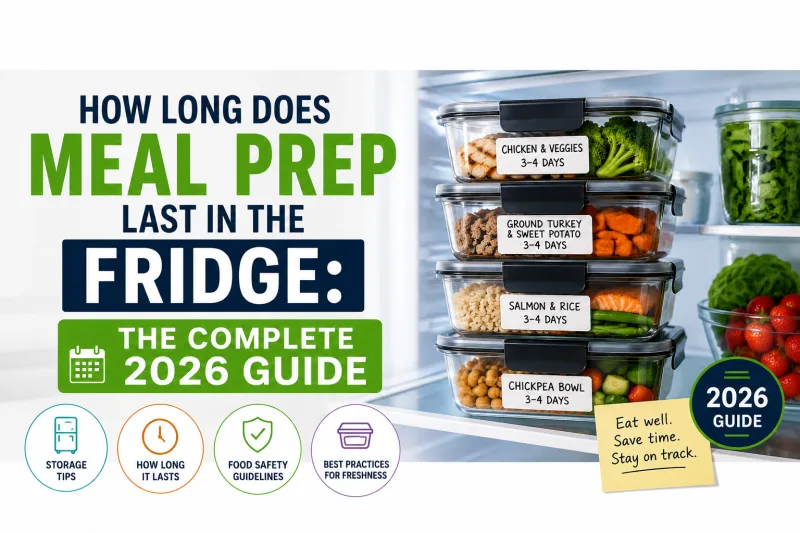
How Long Does Meal Prep Last in the Fridge: The Complete 2026 Guide
If you've ever stared at a container of Sunday-prepped chicken and rice on a Thursday night wondering whether it's still safe to eat, you're not alone. Knowing how long does meal prep last in the fridge is one of the most important skills any home cook can have — especially when you're trying to lose weight through smart, healthy eating. Get this wrong and you're either throwing away perfectly good food or, worse, risking a foodborne illness. Get it right, and you'll have a seamless, stress-free week of eating ahead of you.
What Is Meal Prep Fridge Storage — and Why Does It Matter?
Meal prep fridge storage is simply the practice of cooking food in advance and keeping it safely refrigerated until you're ready to eat it. For weight loss, this is a game-changer. When healthy food is already portioned and ready to go, you're far less likely to reach for something processed or high-calorie at the end of a long day.
But safety is the foundation everything else rests on. According to the FDA's Safe Food Storage guidelines, cooked foods should be kept at 40°F (4°C) or below and consumed within a specific window of time depending on the ingredient. Understanding these windows is the heart of a good guide for meal storage.
How Long Does Meal Prep Last in the Fridge by Food Type?
This is the question everyone needs answered first. Here's a quick, easy reference to keep on your fridge door:
- Cooked chicken, turkey, and lean meats: 3–4 days
- Cooked fish and seafood: 3–4 days
- Cooked grains (rice, quinoa, farro): 4–6 days
- Roasted or steamed vegetables: 4–5 days
- Cooked legumes (lentils, chickpeas, black beans): 4–5 days
- Hard-boiled eggs: Up to 7 days (in shell); 5 days (peeled)
- Overnight oats and yogurt parfaits: 4–5 days
- Leafy green salads (undressed): 3–4 days
- Soups and stews: 4–5 days
- Sauces and dressings: 5–7 days
The simple rule for beginners: most cooked meal prep lasts 3 to 5 days in the fridge. If you're prepping on Sunday for a full work week, plan to eat the most perishable items — like fish — by Tuesday or Wednesday, and heartier items like grain bowls later in the week.
Is Meal Prep Good for Weight Loss?
Absolutely — and the research backs it up. When you prep your meals in advance, you control every ingredient, every portion size, and every calorie count. This makes it dramatically easier to stay in a calorie deficit, which is the foundation of sustainable weight loss.
Here's what the best weekly meal prep strategies look like for weight loss in 2026:
- High-protein, low-calorie meals that keep you full longer (think grilled chicken, turkey meatballs, or tofu scrambles)
- Fiber-rich sides like roasted broccoli, zucchini, and brown rice
- Portion-controlled containers that eliminate mindless overeating
- Simple meal ideas that don't require 90 minutes of cooking every single night
Most of our healthy, low-calorie meal prep recipes on this site come in under 400 calories per serving, making it easy to hit your daily targets without counting every crumb.
Best Meal Prep Ideas for Beginners (That Last All Week)
If you're new to meal prepping, starting simple is the best tip for beginners we can give. Don't try to cook 10 different dishes your first week. Pick 2–3 proteins, 2 grains, and 3–4 vegetables, and mix and match.
Here are some easy, quick meal ideas that hold up beautifully for 4–5 days:
- High-protein chicken and quinoa bowls — season chicken thighs with lemon and garlic, roast at 400°F for 25 minutes, portion over cooked quinoa. Approximately 380 calories per serving.
- Turkey and black bean meal prep — a hearty, high-protein lunch under 350 calories that lasts a full 5 days.
- Overnight oats with berries — a low-calorie breakfast prep that takes 5 minutes and lasts 5 days in the fridge.
- Lentil and roasted vegetable bowls — a simple plant-based option loaded with fiber, great for June when summer squash and zucchini are at their peak freshness.
- Hard-boiled eggs with hummus and veggies — an incredibly quick snack prep that's ready in under 15 minutes.
Want a done-for-you plan? Download our free 5-day healthy meal prep PDF on this page — it includes a full grocery list, macros, and storage instructions for each recipe.
What Containers Should I Use for Meal Prep?
Your containers can make or break your meal prep routine. The best meal prep containers in 2026 are airtight, stackable, and either glass or BPA-free plastic. Glass containers are our top recommendation — they don't absorb odors, they're microwave-safe, and they keep food fresher longer.
Look for these features when shopping for meal prep containers:
- Airtight locking lids to prevent moisture loss and odor transfer
- Compartments or dividers to keep sauces separate from grains (this extends shelf life)
- Dishwasher-safe materials to save cleaning time
- Freezer-safe options for longer-term storage
Keeping dressings and sauces in small separate containers is one of the best tips for getting the most out of your salads and grain bowls throughout the week.
Can You Freeze Meal Prep?
Yes — and freezing is one of the smartest strategies for making your prep stretch even further. Most cooked proteins, grains, soups, and stews freeze beautifully for up to 3 months. This is especially helpful if you want to prep two weeks' worth of food in one session.
Foods that freeze well include cooked chicken, turkey chili, lentil soup, brown rice, and casseroles. Foods that don't freeze as well include raw salad greens, cooked eggs, and dishes with cream-based sauces. Label everything with the date so you always know what's fresh.
How to Track Calories in Your Meal Prep
Tracking nutrition is a powerful tool for weight loss, and meal prep makes it incredibly simple because you're cooking in batches with known ingredients. Apps like MyFitnessPal or Cronometer let you log a full recipe once and then divide it into servings — saving you time every single day of the week.
Aim for these general targets with your healthy meal prep recipes:
- Breakfasts: 300–400 calories, 20–30g protein
- Lunches: 350–450 calories, 30–40g protein
- Dinners: 400–500 calories, 35–45g protein
- Snacks: 150–200 calories, 10–15g protein
High-protein, low-calorie meal prep is consistently shown to support fat loss while preserving muscle. It's genuinely one of the best weekly weight loss strategies available — no expensive supplements required.
Common Mistakes to Avoid with Fridge Meal Prep
Even experienced preppers make these errors. Here's what to watch out for:
- Not cooling food before refrigerating. Putting hot food straight into the fridge raises the internal temperature and can compromise nearby items. Let food cool for no more than 2 hours before sealing and storing.
- Overpacking the fridge. Air needs to circulate around containers to keep everything at a safe temperature. Don't stuff every shelf to the brim.
- Ignoring the "sniff test" without checking dates. Some bacteria don't produce odors. Always follow the storage timelines above — don't rely solely on smell.
- Storing everything together. Keeping sauces, dressings, and toppings separate dramatically extends the life of your meals and keeps textures better throughout the week.
- Forgetting to label containers. Write the prep date on every container. It takes 5 seconds and can save you from a nasty mistake on day 6.
Frequently Asked Questions
How long does meal prep last in the fridge generally?
Most cooked meal prep lasts 3 to 5 days safely in the fridge when stored in airtight containers at 40°F or below. Fish and seafood should be eaten within 3–4 days; grains and vegetables can last up to 5–6 days.
What are the best meal prep ideas for beginners on a weight loss plan?
Start with simple, high-protein recipes like baked chicken with quinoa, hard-boiled eggs, overnight oats, and roasted vegetables. These are easy to prep in under 2 hours and will cover your meals for the entire week.
Is it safe to meal prep for 5 days?
Yes, for most cooked proteins, grains, and vegetables, a 5-day prep window is safe. Just eat the most perishable items earlier in the week and heartier options like grain bowls or lentils toward the end.
Can I use a meal prep delivery service instead of cooking everything myself?
Absolutely. Meal prep services like Factor or Trifecta deliver ready-made, macro-balanced meals that typically last 5–7 days in the fridge. They're a great option when life gets busy, though cooking your own meals gives you more control over ingredients and cost.
Final Thoughts
Knowing how long meal-prepped food stays fresh helps you stay consistent with your weight loss goals. Follow the 3-to-5-day storage rule, use airtight containers, and keep your meal prep simple, especially when starting out. Fresh seasonal produce can make healthy meal prep even easier and more enjoyable.
Ready to simplify your week? Download our free weekly meal prep PDF for a complete 5-day plan, recipes, storage guidelines, and a printable grocery list designed to support your weight loss journey.
Check out our complete recipe collection for more healthy meal prep ideas. You might also enjoy our meal prep guides for beginners.