Disclosure: This post contains affiliate links. We may earn a commission if you purchase through our links, at no extra cost to you.
If you've ever opened your fridge at 7 PM after a long day and reached for something you regret, you already understand why healthy meal prep for weight loss is such a game-changer. Spending just a few hours on the weekend preparing your meals can save you roughly 3 hours of cooking during the week, reduce impulse eating, and keep your calorie goals on track. In 2026, more Americans than ever are turning to meal prep as a reliable, sustainable strategy for managing their weight — and the science backs it up.
What Is Meal Prep and Why Does It Matter?
Meal prep is the practice of planning, cooking, and portioning your meals ahead of time — usually for three to seven days. It removes daily decision fatigue, which is one of the biggest hidden reasons people fall off their diet plans. When your lunch is already packed and waiting, you're far less likely to order a 900-calorie fast food combo.
According to the USDA's MyPlate guidelines, building meals around lean proteins, vegetables, whole grains, and healthy fats is the foundation of any effective weight management strategy. Meal prep simply makes it easier to follow that structure consistently, day after day.
Benefits of Meal Prepping for Weight Loss
The advantages go well beyond convenience. Here's what consistent meal prepping can do for your weight loss journey:
- Portion control: Pre-portioned containers mean no mindless second helpings.
- Calorie awareness: When you cook your own food, you know exactly what's in it.
- Reduced food waste: Using planned ingredients cuts grocery waste by up to 30%.
- Lower food costs: Prepping weekly meals can save the average American family $150 or more per month.
- Better nutrition: Home-cooked meals are consistently lower in sodium, sugar, and unhealthy fats than restaurant or takeout options.
When your environment supports healthy choices, sticking to your goals becomes significantly easier. That's the real power of a solid prep routine.
How to Start Healthy Meal Prep for Weight Loss (Step-by-Step)
Getting started doesn't require a professional kitchen or a culinary degree. These simple steps will have you prepping like a pro within your first weekend.
Step 1: Plan Your Weekly Menu
Choose three to four base recipes that share common ingredients. For example, grilled chicken can go into a grain bowl on Monday, a lettuce wrap on Tuesday, and a salad on Wednesday. This batch-cooking approach maximizes your time and minimizes waste.
Step 2: Build a Smart Grocery List
Shop with a list organized by store section — produce, proteins, grains, dairy, and pantry staples. Sticking to the perimeter of the grocery store naturally leads you toward whole, unprocessed foods. June is a great time to stock up on seasonal produce like zucchini, corn, berries, and tomatoes, which are both affordable and nutrient-dense right now.
Step 3: Batch Cook Your Proteins and Grains
Proteins and grains take the longest to cook, so tackle them first. Cook a large batch of brown rice, quinoa, or farro alongside baked chicken breasts, hard-boiled eggs, or seasoned ground turkey. These high-protein building blocks will form the base of most of your weekly meals.
Step 4: Prep Your Vegetables
Wash, chop, and roast or steam your vegetables all at once. Roasting a sheet pan of broccoli, bell peppers, and sweet potatoes takes about 25 minutes and gives you versatile sides for multiple meals throughout the week.
Step 5: Portion and Store Everything
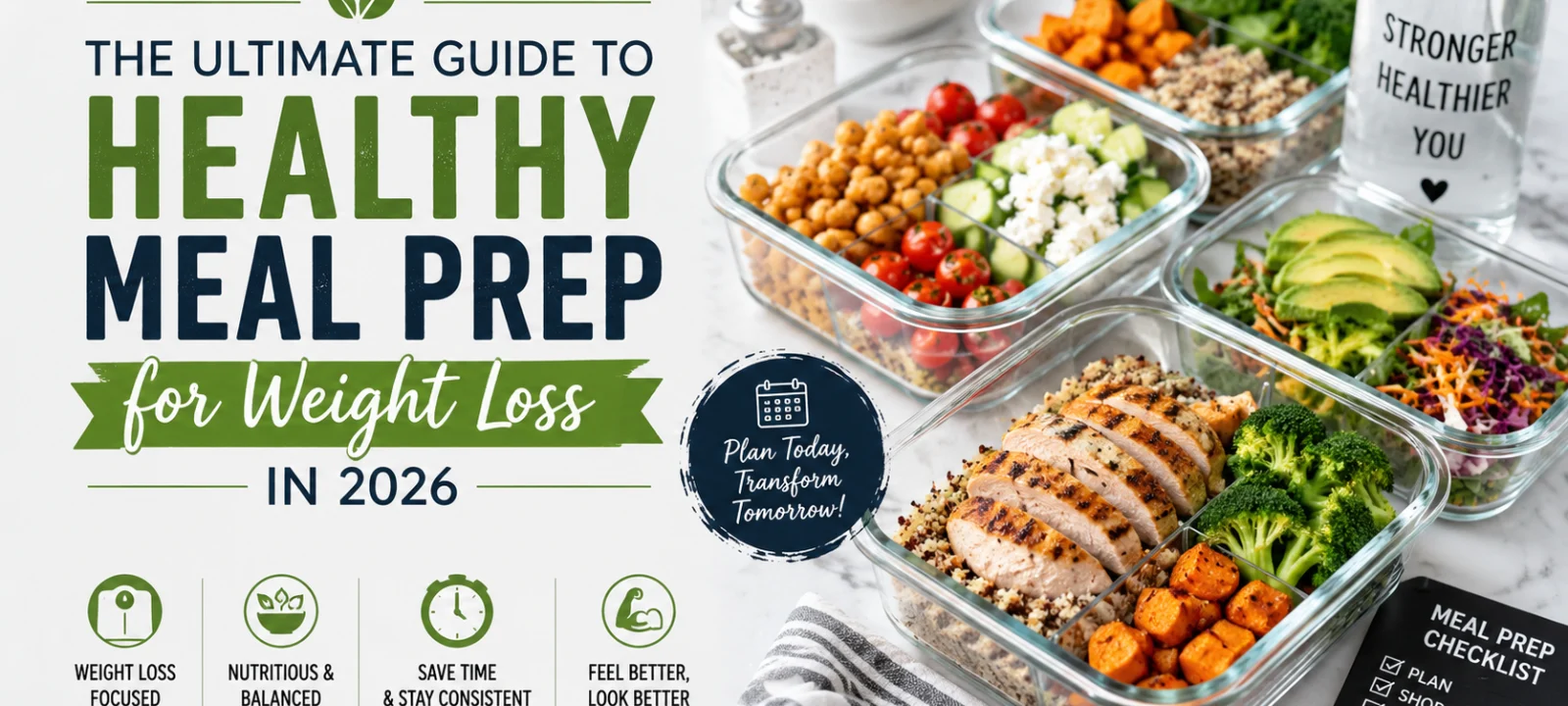
Use quality meal prep containers to divide your food into individual servings. Glass containers with locking lids are highly recommended because they're microwave-safe, durable, and help you see what you have at a glance. Label each container with the date for easy tracking.
Easy High-Protein Meal Ideas to Get You Started
You don't need complex recipes to get results. The best approach is built on simple, repeatable meal ideas that you actually enjoy eating. Here are some beginner-friendly, low-calorie options under 450 calories per serving:
- Grilled chicken and quinoa bowl — 4 oz chicken, ½ cup quinoa, roasted veggies, lemon-tahini drizzle (~390 calories, 38g protein)
- Turkey taco lettuce wraps — seasoned ground turkey, black beans, salsa, in butter lettuce cups (~320 calories, 29g protein)
- Salmon and brown rice — baked salmon fillet, ½ cup brown rice, steamed broccoli, soy-ginger glaze (~410 calories, 35g protein)
- Greek chicken meal prep bowls — diced cucumber, cherry tomatoes, chickpeas, grilled chicken, light tzatziki (~370 calories, 33g protein)
- Overnight oats with berries — rolled oats, Greek yogurt, chia seeds, fresh strawberries (~310 calories, 18g protein)
Rotating these meals throughout the week keeps things fresh and ensures you're hitting your macro targets without obsessing over every bite.
Tips for Beginners That Actually Work
If this is your first time trying a structured prep routine, keep it simple. Start with just two or three meals rather than prepping every single thing you'll eat all week. Trying to do too much at once leads to burnout fast.
Use a nutrition tracking app like MyFitnessPal or Cronometer to log your prepped meals once and save them as custom entries. This makes weekly tracking almost effortless. Aiming for meals between 350 and 500 calories with at least 25 to 35 grams of protein per serving is a solid starting point for most adults targeting weight loss.
👉 Download our free weekly meal plan PDF to get a done-for-you shopping list, prep schedule, and five days of balanced recipes delivered straight to your inbox.
How to Store Your Prepped Meals Safely
Proper storage is critical for both food safety and quality. Here's what you need to know:
- In the refrigerator: Most prepped meals stay fresh for 3 to 5 days when stored in airtight containers at or below 40°F.
- In the freezer: Soups, stews, cooked grains, and most proteins freeze well for up to 3 months. Store in freezer-safe containers or zip-lock bags with the air pressed out.
- What doesn't freeze well: Leafy salads, raw cucumbers, and dishes with creamy dressings are best kept refrigerated and eaten within 2 to 3 days.
Investing in a set of BPA-free, portion-controlled meal prep containers is one of the smartest purchases you can make when starting out. Look for sets that include multiple size options for snacks, lunches, and dinners.
Common Mistakes to Avoid
Even well-intentioned preppers make these errors. Watch out for them from day one:
- Prepping foods you don't actually enjoy eating — if you hate plain steamed broccoli, roast it with garlic instead.
- Skipping healthy fats entirely — avocado, olive oil, and nuts support satiety and nutrient absorption.
- Under-seasoning your food — bland meals lead to abandoning your prep and ordering takeout.
- Not accounting for snacks — plan two healthy snacks per day to prevent afternoon energy crashes.
- Overcomplicating recipes — quick, easy meals you can make on autopilot are far more sustainable long-term.
Frequently Asked Questions
What are the best meal prep ideas for beginners?
Start with grain bowls, overnight oats, baked chicken with roasted vegetables, and simple soups or chilis. These are forgiving, easy to scale, and reheat beautifully. Focus on high-protein, low-calorie combinations that keep you full for hours.
How many calories should a prepped meal contain for weight loss?
Most experts recommend targeting 350 to 500 calories per main meal, with total daily intake between 1,400 and 1,800 calories depending on your size, activity level, and goals. Always consult a registered dietitian for a personalized plan.
Can you freeze meal prepped food?
Absolutely. Proteins like chicken, turkey, and fish freeze very well. Cooked grains, soups, and roasted vegetables also hold up nicely. Freeze in individual portions so you can thaw only what you need for a specific day.
What containers are best for meal prepping?
Glass containers with secure lids are the top choice for reheating safety and durability. BPA-free plastic containers work well for lunches on the go. Look for leak-proof, stackable designs that fit easily in both your fridge and lunch bag.
How long does meal prep last in the fridge?
Most cooked meals remain safe and flavorful for 3 to 5 days in the refrigerator. Prepare Sunday and Wednesday to keep everything fresh if you prefer not to freeze meals mid-week.
Final Thoughts
Building a sustainable, enjoyable prep routine is one of the most powerful investments you can make in your long-term health. With the right recipes, smart storage habits, and a clear weekly plan, hitting your weight loss goals becomes a process — not a punishment. Start small this June, prep just a few meals this coming weekend, and watch how quickly the habit takes hold. Your future self will thank you every single time you open that fridge and find a healthy, delicious meal already waiting.
For the best results with healthy meal prep for weight loss, keep the plan realistic and repeatable instead of trying to change every meal at once. Start with two or three reliable meals, prepare the main ingredients ahead of time, and adjust portions based on your hunger, calories, and weekly weight-loss progress.
Check out our complete recipe collection for more healthy meal prep ideas. You might also enjoy our meal prep guides for beginners.