
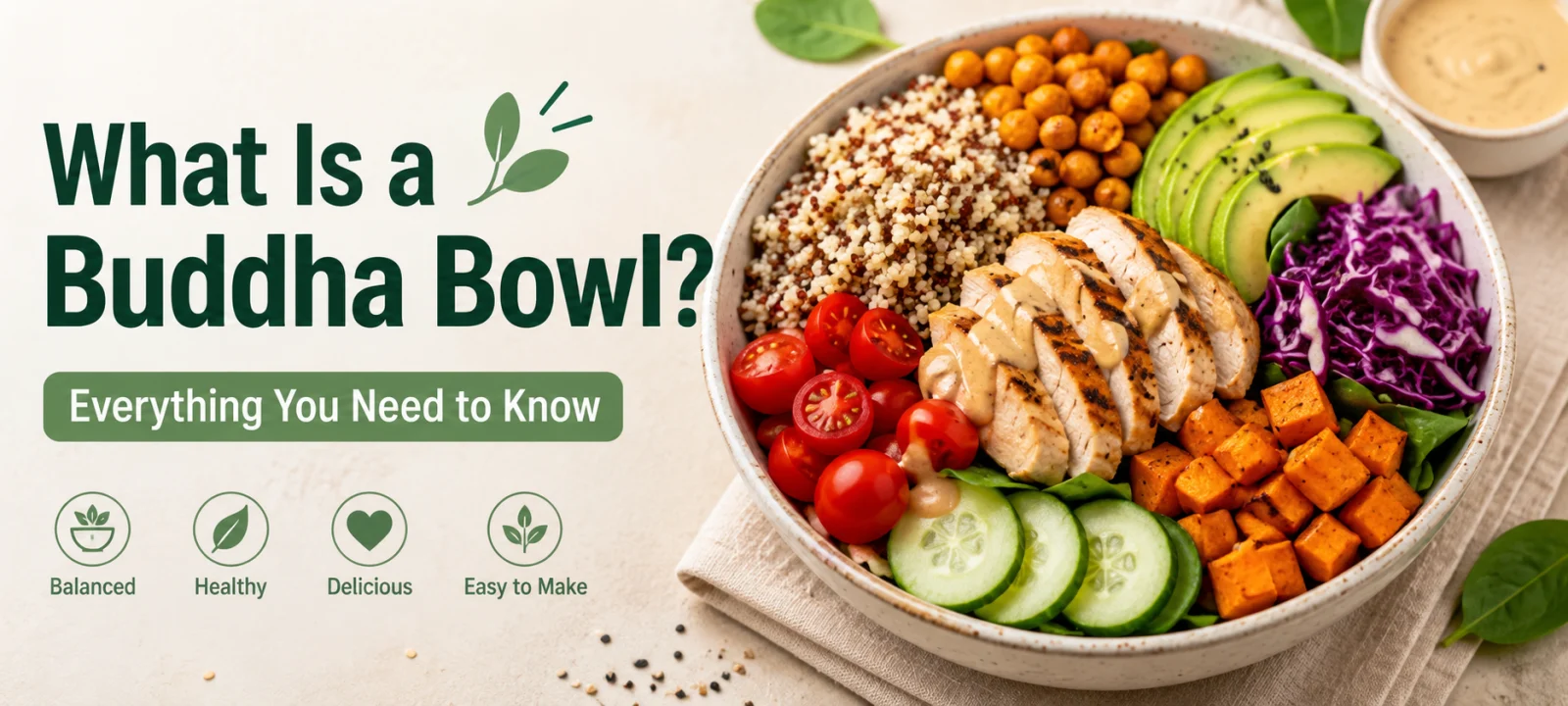
What Is a Buddha Bowl? Everything You Need to Know
Buddha bowls have become one of the most searched healthy meals in recent years, and it's easy to see why. They're colorful, balanced, easy to customize, and packed with wholesome ingredients that fit a variety of eating styles. Whether you're trying to eat healthier, prepare meals for the week, or simply enjoy a satisfying lunch, you've probably come across this popular dish.
What Is a Buddha Bowl?
What is a Buddha bowl? A Buddha bowl is a complete meal served in a single bowl that combines several nutritious food groups. Most Buddha bowls include a whole-grain base, colorful vegetables, a protein source, healthy fats, and a delicious dressing. The ingredients are arranged separately rather than mixed together, creating a meal that's visually appealing while offering a variety of flavors and textures in every bite.
Unlike traditional salads, Buddha bowls are often more filling because they include grains and protein. They're also incredibly flexible, making them suitable for vegetarians, vegans, meat lovers, and anyone following a healthy lifestyle.
Although there isn't one official recipe, the goal remains the same: create a balanced meal using wholesome, minimally processed ingredients that provide long-lasting energy and plenty of nutrients.
What Is a Buddha Bowl and Why Is It So Popular?
One of the most common questions people ask is, why is it called a Buddha bowl? Interestingly, the meal doesn't have a direct religious connection to Buddhism.
The most popular explanation is that the bowl's full, rounded appearance resembles the image of a happy, full-bellied Buddha. Others believe the name reflects the idea of eating mindfully and appreciating a balanced meal made from nourishing ingredients. While the exact origin isn't certain, the term has become widely recognized around the world.
Today, the name "Buddha bowl" simply refers to a nutritious meal that brings together a variety of healthy foods in one bowl. The focus is on balance, freshness, and creating satisfying meals using simple ingredients.
What Is Usually in a Buddha Bowl?
If you're wondering what is usually in a Buddha bowl, the answer depends on your personal preferences. However, most recipes include ingredients from the same core food groups to create a complete and balanced meal.
Common buddha bowl ingredients include:
- Brown rice, quinoa, farro, or another whole grain
- Fresh leafy greens like spinach or kale
- Roasted vegetables such as broccoli, carrots, or sweet potatoes
- Fresh vegetables including cucumber, tomatoes, and shredded cabbage
- A protein source like grilled chicken, salmon, tofu, chickpeas, eggs, or lentils
- Healthy fats such as avocado, nuts, or seeds
- A flavorful dressing like tahini, lemon vinaigrette, sesame ginger, or Greek yogurt dressing
What Are the 5 Components of a Buddha Bowl?
If you're searching what are the 5 components of a Buddha bowl, you'll find that nearly every recipe follows the same simple structure. Understanding these five components makes it easy to build a balanced bowl without following a complicated recipe.
1. Whole-Grain Base
The base provides energy and helps make the meal satisfying. Brown rice, quinoa, barley, farro, wild rice, and even cauliflower rice are popular options depending on your nutritional goals.
2. Lean Protein
Protein helps keep you full and supports muscle health. Grilled chicken, turkey, shrimp, salmon, tofu, chickpeas, black beans, lentils, and eggs all work well in a Buddha bowl.
3. Colorful Vegetables
Vegetables add fiber, vitamins, minerals, and natural color. Combining raw and roasted vegetables creates a variety of textures while increasing the nutritional value of the meal.
4. Healthy Fats
Healthy fats help your body absorb vitamins while adding richness to every bite. Avocado, almonds, walnuts, sunflower seeds, pumpkin seeds, and olive oil are all excellent choices.
5. Dressing or Sauce
A good dressing brings every ingredient together. Popular choices include tahini dressing, lemon vinaigrette, peanut sauce, sesame ginger dressing, and light yogurt-based sauces.
Once you understand these five components, creating your own Buddha bowl becomes simple. Mix and match ingredients based on your taste, and you'll have a balanced meal every time.
Why Are Buddha Bowls So Popular?
Buddha bowls have become a favorite among home cooks because they're easy to prepare, highly customizable, and suitable for almost every eating style. From vegetarian and vegan diets to high-protein meal plans, a Buddha bowl can easily be adapted without sacrificing flavor.
They're also ideal for meal prep because many ingredients can be cooked ahead of time and stored separately until you're ready to eat. If you're looking for a delicious example, our Grilled Chicken Buddha Bowl combines lean grilled chicken, fresh vegetables, whole grains, and a creamy dressing into a balanced meal that's perfect for lunch or dinner.
Are Buddha Bowls Healthy?
Many people who search what is a Buddha bowl also want to know if it's healthy. In most cases, yes. A Buddha bowl combines whole grains, lean protein, colorful vegetables, healthy fats, and fiber into one balanced meal.
Its nutritional value depends on the ingredients you choose. Using fresh vegetables, quality protein, whole grains, and a light homemade dressing creates a filling meal that's rich in vitamins, minerals, and fiber. According to the USDA MyPlate, meals built around vegetables, whole grains, and lean protein support a healthy eating pattern.
According to the USDA MyPlate, building meals with vegetables, whole grains, lean protein, and healthy fats supports a balanced eating pattern. Buddha bowls naturally fit these recommendations, making them a simple option for everyday healthy eating.
Popular Types of Buddha Bowls
Buddha bowls are easy to customize. Here are some of the most popular variations you can make at home.
Chicken Buddha Bowl
A chicken Buddha bowl is one of the most common choices because grilled chicken provides lean protein while pairing well with brown rice, quinoa, roasted vegetables, cucumber, cherry tomatoes, and creamy tahini dressing.
Vegetarian Buddha Bowl
A vegetarian version replaces meat with ingredients like chickpeas, lentils, black beans, eggs, or roasted tofu. These bowls are rich in fiber and plant-based nutrients while still providing satisfying protein.
Vegan Buddha Bowl
Vegan Buddha bowls contain only plant-based ingredients. They're commonly made with quinoa, roasted vegetables, avocado, beans, nuts, seeds, and dairy-free dressings such as tahini or peanut sauce.
High-Protein Buddha Bowl
For anyone focused on fitness or muscle recovery, high-protein Buddha bowls combine lean meats, seafood, eggs, or legumes with vegetables and whole grains for a filling, nutrient-rich meal.
Low-Carb Buddha Bowl
A lower-carbohydrate Buddha bowl swaps rice or quinoa for cauliflower rice, shredded cabbage, or mixed greens while keeping plenty of protein and healthy fats for lasting satisfaction.
Buddha Bowl vs. Poke Bowl
Another common question is how a Buddha bowl compares to a poke bowl. Although both meals are served in bowls and contain fresh ingredients, they're quite different.
A Buddha bowl is built around grains, vegetables, lean protein, healthy fats, and dressing. It may be served warm, cold, or with a combination of both. The ingredients can be vegetarian, vegan, or include cooked proteins like grilled chicken or salmon.
A poke bowl comes from Hawaiian cuisine and traditionally features raw marinated fish served over rice with toppings like seaweed, cucumber, edamame, and avocado. While modern poke bowls include many variations, seafood remains their defining ingredient.
How to Build Your Own Buddha Bowl
Making a Buddha bowl at home is easier than many people think. Follow these simple steps to create a balanced meal.
- Choose a base such as brown rice, quinoa, farro, mixed greens, or cauliflower rice.
- Add a lean protein like grilled chicken, salmon, shrimp, tofu, eggs, or chickpeas.
- Fill half the bowl with colorful vegetables, using both fresh and roasted options.
- Add healthy fats like avocado, almonds, walnuts, pumpkin seeds, or sunflower seeds.
- Finish with a homemade dressing such as tahini, lemon vinaigrette, or sesame ginger sauce.
Mixing different vegetables, grains, and proteins throughout the week keeps meals interesting while helping you enjoy a wider variety of nutrients.
Frequently Asked Questions
Can you eat a Buddha bowl every day?
Yes. Changing your vegetables, proteins, grains, and dressings helps create balanced meals while preventing boredom.
Do Buddha bowls have to be vegetarian?
No. Many recipes include grilled chicken, turkey, salmon, shrimp, or eggs alongside fresh vegetables and whole grains.
Can I make a Buddha bowl without grains?
Absolutely. You can replace grains with cauliflower rice, spinach, kale, or shredded cabbage for a lighter meal.
Final Thoughts
If you've been asking what is a Buddha bowl, it's simply a balanced meal made with whole grains, vegetables, lean protein, healthy fats, and a flavorful dressing. It's easy to customize for different diets and perfect for healthy meal prep.
Start with the five core components, use fresh ingredients, and create combinations that match your taste and nutrition goals.