
Disclosure: This post contains affiliate links. We may earn a commission if you purchase through our links, at no extra cost to you.
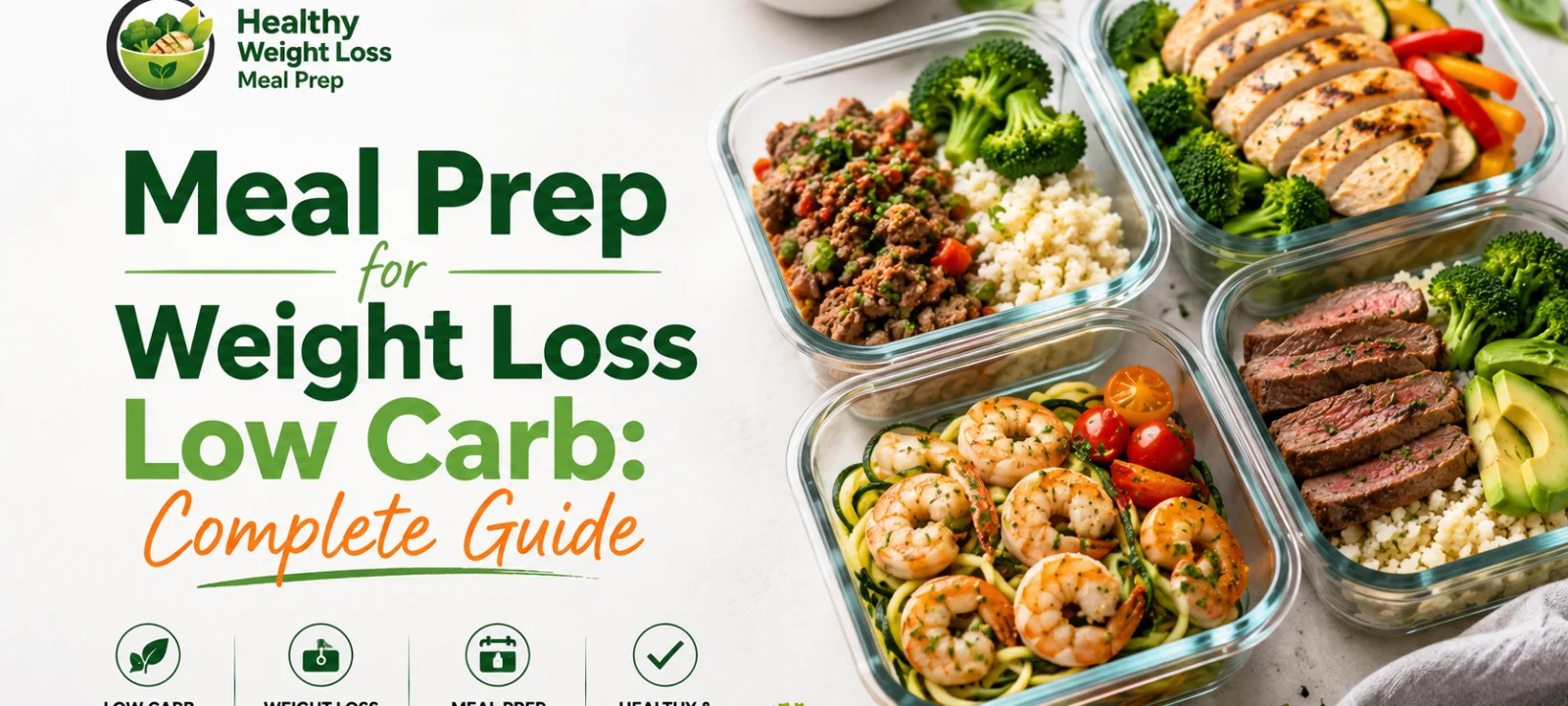
Meal Prep for Weight Loss Low Carb: The Complete 2026 Guide
If you're serious about dropping pounds this summer, mastering meal prep for weight loss low carb is one of the smartest moves you can make. When you combine the fat-burning power of a low-carb eating plan with the consistency of meal prepping, you remove the biggest obstacle most people face — the daily decision of what to eat. This guide walks you through everything you need to know, from beginner-friendly recipes to storage tips, calorie targets, and the best strategies working in 2026.
What Is Low-Carb Meal Prepping and Why Does It Work?
Low-carb meal prepping means cooking and portioning meals ahead of time that keep your daily carbohydrate intake typically below 100 grams — and often between 20 and 50 grams for more aggressive fat loss. Reducing carbs lowers insulin levels, which signals your body to burn stored fat for energy instead of glucose.
According to the Mayo Clinic, low-carb diets can produce faster short-term weight loss compared to low-fat diets. Pairing this approach with weekly meal prep means you always have the right food ready, making it far easier to stay on track.
The Real Benefits of Low-Carb Meal Prep for Weight Loss
The benefits go well beyond just losing weight. Here's what consistent, healthy low-carb meal prepping does for you:
- Saves time: A single Sunday prep session saves you roughly 3 hours of cooking throughout the week.
- Reduces food waste: Portioned meals mean less random fridge clean-outs.
- Controls calories automatically: Most simple low-carb prep meals land between 300 and 450 calories per serving.
- Lowers stress: No more 6pm panic about dinner — it's already done.
- Supports muscle retention: When you prep high-protein, low-carb meals, your body burns fat while preserving lean muscle.
In June 2026, with summer social events and outdoor plans ramping up, having ready-made meals also stops you from reaching for convenience foods that derail your progress.
Best Meal Prep for Weight Loss Low Carb Recipes to Start With
You don't need complicated recipes to succeed. The best beginner recipes are quick, use five to seven ingredients, and reheat well. Here are five proven options:
1. Sheet Pan Chicken Thighs with Roasted Zucchini
Season bone-in chicken thighs with garlic, paprika, and olive oil. Roast at 425°F alongside sliced zucchini for 35 minutes. Each serving comes in at around 380 calories, 35g protein, and only 6g net carbs. Prep four portions in one tray.
2. Ground Turkey Lettuce Taco Bowls
Brown a pound of lean ground turkey with cumin, chili powder, and diced onion. Divide into containers over shredded cabbage and top with salsa and avocado slices. This is one of the most popular easy low-carb meal ideas because it preps in under 20 minutes.
3. Egg and Veggie Muffin Cups
Whisk 8 eggs with diced bell pepper, spinach, and crumbled turkey sausage. Pour into a greased muffin tin and bake at 375°F for 20 minutes. Each muffin has about 90 calories and 8g protein. Make 12 at once for a full week of breakfasts.
4. Salmon with Asparagus and Cauliflower Rice
Bake salmon fillets seasoned with lemon and dill alongside asparagus spears. Pair with microwaveable cauliflower rice for a complete, low-calorie, high-protein meal under 420 calories per serving.
5. Greek Chicken Mason Jar Salads
Layer cucumbers, cherry tomatoes, olives, feta cheese, and grilled chicken in mason jars with a lemon-olive oil dressing on the bottom. These stay fresh for four days and are ideal quick, grab-and-go lunches.
How to Start Low-Carb Meal Prepping: Step-by-Step
Getting started is simpler than most beginners expect. Follow these steps every weekend:
- Plan your meals Monday through Friday. Choose two breakfasts, two lunches, and two dinners to rotate. Repetition makes grocery shopping and cooking faster.
- Build your shopping list around proteins first. Chicken, eggs, ground turkey, salmon, and beef are your foundations.
- Add non-starchy vegetables. Zucchini, broccoli, spinach, bell peppers, and asparagus are your best choices in June when summer produce is fresh and affordable.
- Cook in batches. Use your oven, stovetop, and slow cooker simultaneously to cut prep time in half.
- Portion immediately. Divide everything into individual containers right after cooking so calorie tracking is effortless.
- Track your macros. Use a free app like MyFitnessPal to log protein, fat, and carbohydrate targets daily.
A weekly low-carb prep session typically takes 60 to 90 minutes from start to finish once you have a routine down.
Tips for Beginners: Making Low-Carb Prep Stick Long-Term
These practical tips for beginners help you build the habit without burning out:
- Start with just three meals to prep instead of all five days. Build up gradually.
- Keep a batch of hard-boiled eggs in the fridge at all times — they're the ultimate low-carb snack.
- Invest in quality, airtight meal prep containers. Glass containers with locking lids keep food fresh longer and are safer for reheating.
- Use a simple weekly template rather than searching for new recipes every Sunday. Consistency beats variety in early stages.
- Download our free low-carb weekly meal plan PDF at the bottom of this page to get a done-for-you shopping list and prep schedule.
How to Store Low-Carb Prepped Meals Properly
Storage is where many beginners go wrong. Improper storage leads to spoiled food, wasted money, and missed meals.
In the fridge: Most cooked low-carb meals — chicken, ground meat, roasted vegetables, egg muffins — stay fresh for 4 to 5 days in airtight containers. Seafood like salmon should be eaten within 3 days.
In the freezer: Yes, you can absolutely freeze most low-carb prepped meals. Soups, chilis, cooked ground meat, and chicken all freeze well for up to 3 months. Avoid freezing salads, raw avocado, or egg-white-based dishes as the texture suffers.
Label every container with the date it was made. Good-quality meal prep containers with date-mark lids make this habit automatic and keep your fridge organized all week long.
Nutritional Targets for Low-Carb Meal Prep Success
For weight loss, most low-carb meal plans target these daily ranges:
- Calories: 1,400 to 1,800 per day depending on activity level and body size
- Protein: 100 to 150 grams per day to preserve muscle
- Net carbs: 20 to 75 grams per day depending on your plan
- Fat: Moderate to high to provide satiety and energy
Each meal should ideally fall between 350 and 500 calories. Tracking with a nutrition app keeps these numbers honest and removes guesswork from your progress.
Common Mistakes to Avoid
Even motivated beginners stumble on these avoidable errors:
- Skipping protein — low-carb doesn't mean low-protein. Aim for at least 25 to 35 grams per meal.
- Prepping food you don't actually enjoy eating. Stick to flavors you love or compliance drops fast.
- Not prepping snacks — hunger between meals causes carb cravings. Prep cheese cubes, nuts, or veggie sticks alongside main meals.
- Using containers that aren't truly airtight, causing meals to spoil before day four.
Frequently Asked Questions
What are the best low-carb meal prep ideas for beginners?
Start with sheet pan proteins and roasted vegetables, egg muffin cups, mason jar salads, and cauliflower rice bowls. These are simple, require minimal skill, and reheat perfectly throughout the week.
How long does low-carb meal prep last in the fridge?
Most cooked proteins and vegetables last 4 to 5 days in the fridge when stored in airtight containers. Fish and seafood dishes should be consumed within 3 days for best quality and food safety.
Can you freeze low-carb prepped meals?
Absolutely. Soups, stews, cooked meats, and casseroles freeze well for up to 3 months. Avoid freezing fresh salads, avocado, or anything with high water-content vegetables like cucumber.
What containers are best for low-carb meal prep?
Glass containers with snap-lock lids are the top choice — they're microwave-safe, don't absorb odors, and last for years. BPA-free plastic containers with secure lids work well for on-the-go meals and lighter portability.
How many calories should low-carb prepped meals contain?
For weight loss, target 350 to 500 calories per meal, with three meals and one or two small snacks daily. This typically puts your total daily intake between 1,400 and 1,800 calories, which supports steady, sustainable fat loss for most adults.
Final Thoughts
Building a consistent low-carb meal prep routine is genuinely one of the most effective and sustainable ways to lose weight without feeling deprived. The combination of controlled carbohydrates, high protein, and pre-portioned meals eliminates the daily friction that causes most diets to fail. Start small this week — prep just three meals, use proper containers, track your macros, and see how much easier your entire week feels. Ready to simplify your approach even further? Download our free weekly low-carb meal plan PDF today and get your first prep session planned in under five minutes.
For the best results with meal prep for weight loss low carb, keep the plan realistic and repeatable instead of trying to change every meal at once. Start with two or three reliable meals, prepare the main ingredients ahead of time, and adjust portions based on your hunger, calories, and weekly weight-loss progress.
Check out our complete recipe collection for more healthy meal prep ideas. You might also enjoy our meal prep guides for beginners.