
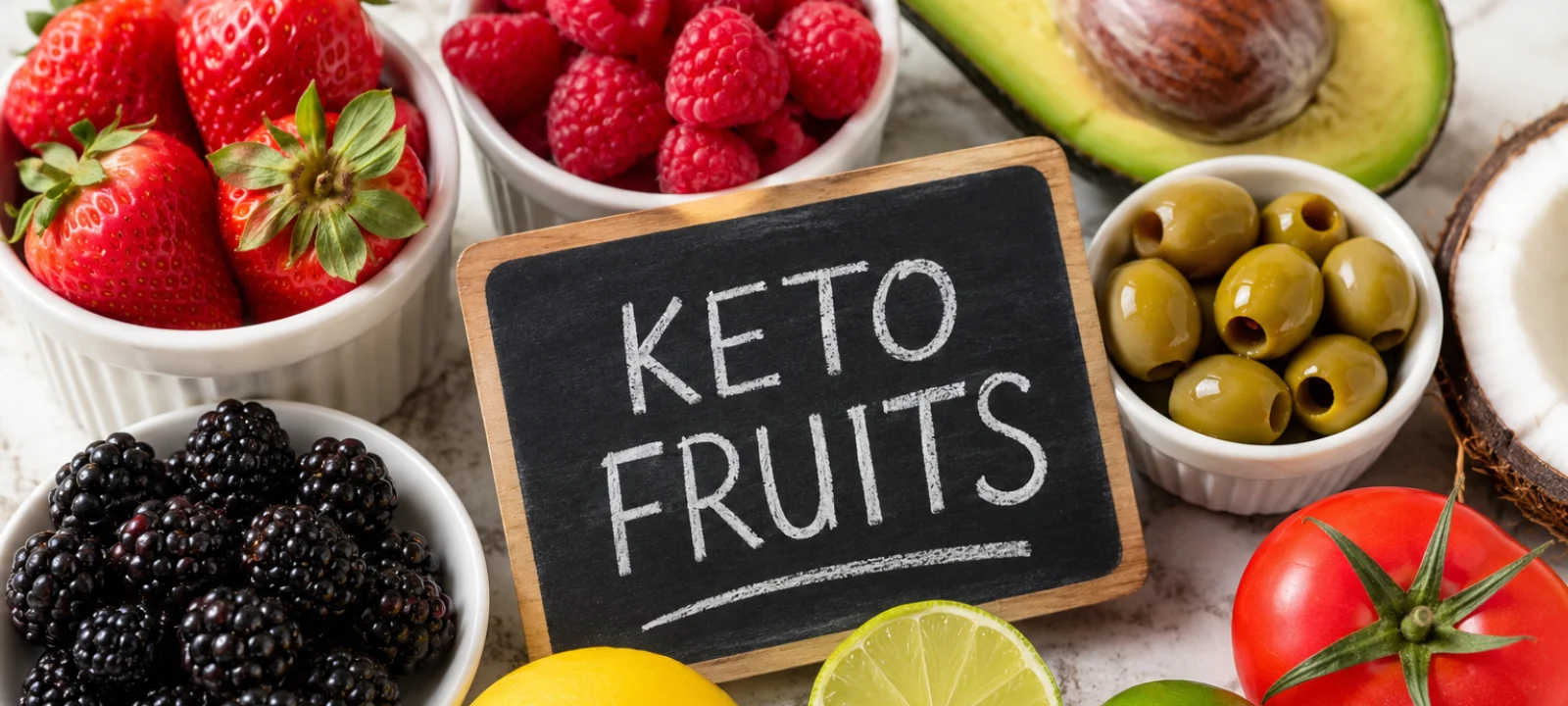
What Fruits Can You Eat on Keto? Top Low-Carb Fruits to Include
If you've recently started a ketogenic diet, you've probably wondered, "What fruits can you eat on keto?" Since fruit is often promoted as part of a healthy diet, it can be confusing to hear that some fruits may not fit into a low-carb lifestyle.
The truth is that you don't have to avoid fruit completely. While many fruits are naturally high in sugar, several delicious options are low enough in carbohydrates to fit comfortably into a ketogenic eating plan. Choosing the right fruits allows you to enjoy natural sweetness, important vitamins, antioxidants, and fiber without exceeding your daily carb goal.
In this article, you'll discover the best keto-friendly fruits, learn which fruits are higher in carbohydrates, and find practical tips for adding fruit to your meals while staying in ketosis.
Why Fruit Matters on Keto
Fruit provides a wide range of nutrients that support overall health. Many varieties are rich in vitamin C, potassium, antioxidants, and dietary fiber, making them a valuable addition to a balanced diet.
However, fruit also contains natural sugar called fructose. Because the ketogenic diet typically limits daily carbohydrate intake to around 20–50 grams of net carbs, eating large amounts of high-sugar fruit can make it more difficult to stay in ketosis.
Fortunately, not every fruit is high in carbohydrates. Several options are naturally lower in sugar and can be enjoyed in moderation as part of a healthy keto lifestyle.
Can You Eat Fruit on Keto?
Yes! One of the biggest misconceptions about keto is that all fruit is off-limits. In reality, many low-carb fruits can easily fit into your daily meal plan when eaten in appropriate portions.
Fruits such as berries, avocados, olives, lemons, and limes are among the most keto-friendly choices because they contain fewer net carbohydrates than tropical fruits like bananas, grapes, or mangoes.
Instead of avoiding fruit altogether, focus on choosing nutrient-dense options that provide the greatest nutritional value for the fewest carbohydrates.
If you're still learning how the ketogenic diet works, you may also enjoy our article on Why Are People Quitting Keto?, where we explain the most common challenges people face and how to make keto more sustainable.
What Fruits Can You Eat on Keto? Top Low-Carb Fruits to Include
Below are some of the best fruits you can enjoy while following a ketogenic diet. These fruits are relatively low in net carbohydrates and provide plenty of vitamins, minerals, and antioxidants.
1. Strawberries
Strawberries are one of the most popular fruits for keto because they're naturally sweet without being extremely high in carbohydrates.
- Approximately 6g net carbs per 100g
- Excellent source of vitamin C
- Rich in antioxidants
- Good source of dietary fiber
Enjoy fresh strawberries on their own, with unsweetened Greek yogurt, or blended into a keto-friendly smoothie for a refreshing snack.
2. Raspberries
Raspberries are another excellent choice thanks to their high fiber content, which helps keep their net carbohydrate count relatively low.
- Approximately 5g net carbs per 100g
- High in fiber
- Packed with antioxidants
- Perfect for keto desserts
They're delicious mixed into chia pudding, cottage cheese, or served with whipped cream for a simple low-carb dessert.
3. Blackberries
Blackberries are loaded with nutrients while remaining keto-friendly when enjoyed in moderate portions.
- Approximately 5g net carbs per 100g
- Rich in vitamin C
- Excellent source of manganese
- High in fiber
Add blackberries to your breakfast bowl or enjoy them as a naturally sweet afternoon snack.
4. Avocados
Although many people think of avocados as vegetables, they're actually fruits—and they're one of the most keto-friendly foods you can eat. Unlike most fruits, avocados are naturally low in carbohydrates and high in healthy monounsaturated fats, making them an ideal choice for maintaining ketosis.
- Approximately 2g net carbs per 100g
- High in heart-healthy fats
- Excellent source of potassium
- Rich in fiber
Enjoy avocado sliced over salads, mashed into guacamole, blended into smoothies, or served alongside eggs for a satisfying keto breakfast.
5. Olives
Olives are another fruit that fits perfectly into a ketogenic lifestyle. They're naturally low in carbohydrates while providing healthy fats and antioxidants that support overall health.
- Approximately 3g net carbs per 100g
- Rich in vitamin E
- Contains heart-healthy fats
- Low in natural sugar
Whether you enjoy green or black olives, they make an easy snack and pair well with grilled chicken, salads, cheese, and Mediterranean-inspired keto meals.
6. Lemons and Limes
Lemons and limes are surprisingly keto-friendly because they're usually consumed in small amounts rather than eaten whole. Their fresh flavor makes them a great way to add brightness to meals and drinks without significantly increasing your carb intake.
- Approximately 6–8g net carbs per 100g
- Excellent source of vitamin C
- Perfect for flavored water and dressings
- Adds flavor without added sugar
A squeeze of fresh lemon or lime can enhance grilled fish, salads, sparkling water, and homemade keto sauces.
7. Tomatoes
Many people forget that tomatoes are technically fruits. Fortunately, they're also relatively low in carbohydrates, making them a popular ingredient in keto recipes.
- Approximately 3g net carbs per 100g
- Rich in vitamin C
- Contains the antioxidant lycopene
- Versatile for cooking and salads
Fresh tomatoes work well in omelets, lettuce wraps, salads, and low-carb pasta alternatives made with zucchini noodles.
8. Coconut
Fresh coconut is another fruit that fits well into many ketogenic meal plans. It's naturally rich in healthy fats and fiber, making it both filling and satisfying.
- Approximately 6g net carbs per 100g
- High in healthy fats
- Good source of manganese
- Provides dietary fiber
Choose unsweetened coconut flakes or fresh coconut instead of sweetened packaged products, which often contain added sugar.
9. Can You Eat Watermelon on Keto?
Watermelon contains more natural sugar than berries, but that doesn't necessarily mean you have to avoid it completely. Small portions can occasionally fit into a keto diet if they fit within your daily carbohydrate limit.
Because watermelon is mostly water, it's refreshing during hot weather, but portion control is important to avoid consuming too many carbohydrates.
Fruits to Limit or Avoid on Keto
Some fruits contain significantly more natural sugar than others, making them harder to include in a ketogenic meal plan.
These fruits are generally best enjoyed only occasionally or avoided while you're trying to stay in ketosis.
- Bananas
- Grapes
- Mangoes
- Pineapple
- Cherries
- Apples (large portions)
- Pears
- Dried fruits like raisins and dates
While these fruits offer nutritional benefits, their higher carbohydrate content can quickly use up your daily carb allowance.
Keto Fruit Carb Comparison
| Fruit | Approximate Net Carbs (per 100g) | Keto Friendly? |
|---|---|---|
| Avocado | 2g | ✅ Yes |
| Olives | 3g | ✅ Yes |
| Tomatoes | 3g | ✅ Yes |
| Raspberries | 5g | ✅ Yes |
| Blackberries | 5g | ✅ Yes |
| Strawberries | 6g | ✅ Yes |
| Bananas | 20g+ | ❌ No |
| Mangoes | 15g+ | ❌ No |
| Grapes | 16g+ | ❌ No |
Tips for Eating Fruit on Keto
Enjoying fruit on keto is all about making smart choices and paying attention to portion sizes. Here are a few simple tips to help you stay on track while still enjoying your favorite low-carb fruits.
- Choose berries more often than tropical fruits.
- Measure your portions instead of estimating.
- Pair fruit with healthy fats like nuts or avocado to help you feel full.
- Avoid fruit juices because they contain concentrated sugars and little fiber.
- Read nutrition labels when buying frozen or packaged fruit to avoid added sugars.
- Track your daily net carbohydrate intake if you're trying to stay in ketosis.
Planning your meals ahead of time can also make it easier to include keto-friendly fruits without going over your daily carb goal.
Continue Your Keto Journey
Healthy eating doesn't have to be boring. If you're looking for more low-carb recipes, meal prep inspiration, and keto-friendly food ideas, be sure to follow our Pinterest page. We regularly share easy recipes, healthy meal prep tips, and printable food inspiration to help you stay motivated.
For more information about the ketogenic diet, including its potential benefits and considerations, you can also read this evidence-based overview from Harvard Health.
Frequently Asked Questions
Can I eat fruit every day on keto?
Yes. You can enjoy small portions of low-carb fruits like strawberries, raspberries, blackberries, avocados, and olives as long as they fit within your daily carbohydrate limit.
Which fruit has the lowest carbs?
Avocados are among the lowest-carb fruits, followed by olives, tomatoes, raspberries, blackberries, and strawberries.
Can I eat bananas on keto?
Bananas are generally not recommended because they contain significantly more carbohydrates than most keto-friendly fruits. They can quickly exceed your daily carb allowance.
Final Thoughts
If you've been asking "What fruits can you eat on keto?", the answer is encouraging—you don't have to eliminate fruit completely. By choosing naturally low-carb options like avocados, olives, berries, tomatoes, lemons, and limes, you can enjoy a variety of nutritious foods while supporting your ketogenic lifestyle.