
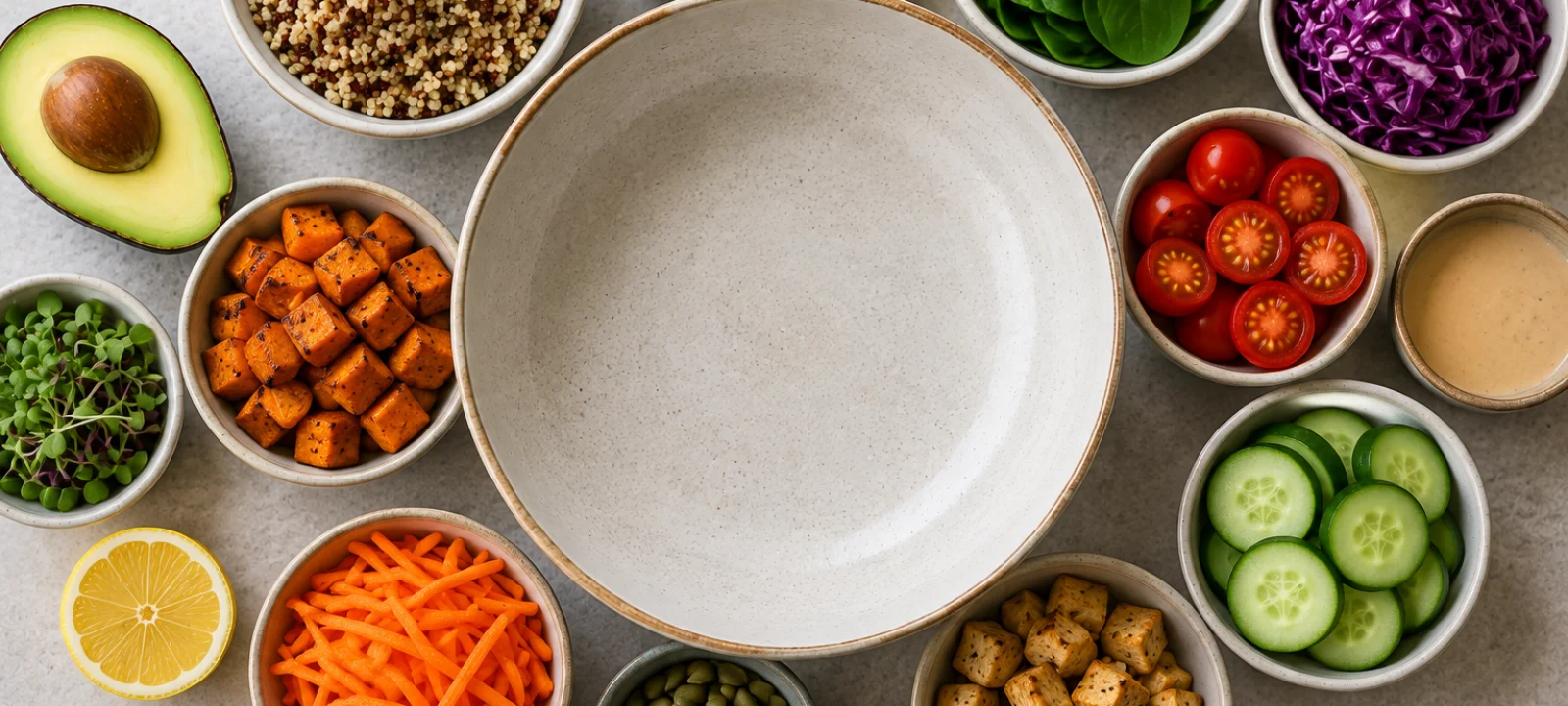
What to Put in a Buddha Bowl
If you've ever wondered what to put in a Buddha bowl, you're not alone. Buddha bowls have become one of the most popular healthy meals because they're colorful, balanced, and incredibly easy to customize. Whether you're preparing lunches for the week, trying to eat healthier, or simply looking for a satisfying meal, choosing the right ingredients can make all the difference.
A great Buddha bowl isn't about following one exact recipe. Instead, it's about combining nutritious ingredients from different food groups to create a meal that's both delicious and balanced. The best bowls include a hearty base, quality protein, plenty of vegetables, healthy fats, crunchy toppings, and a flavorful dressing.
If you're new to Buddha bowls, start with our What Is a Buddha Bowl? guide to learn where this popular meal originated and what makes it different from other healthy bowls.
In this guide, you'll discover exactly what to put in a Buddha bowl, along with ingredient ideas, healthy combinations, and practical tips for creating restaurant-quality bowls at home.
What to Put in a Buddha Bowl
A quality protein is one of the most important ingredients in a balanced Buddha bowl.
A balanced Buddha bowl usually includes:
- A nutritious base
- A lean protein
- Several colorful vegetables
- Healthy fats
- Crunchy toppings
- A homemade dressing or sauce
When these six elements come together, you create a meal that's filling, nutrient-rich, and easy to adapt to your personal preferences.
Start With a Healthy Base
The base is the foundation of every Buddha bowl. It provides complex carbohydrates, fiber, and lasting energy while helping balance the rest of the ingredients.
Some of the best bases include:
- Brown rice
- Quinoa
- Farro
- Wild rice
- Barley
- Couscous
- Mixed greens
- Spinach
- Kale
- Cauliflower rice for a lower-carb option
If you're meal prepping, quinoa and brown rice are excellent choices because they store well in the refrigerator and pair with almost every protein and vegetable.
According to the USDA MyPlate, choosing whole grains over refined grains increases your intake of fiber, B vitamins, and important minerals while helping create a more balanced meal.
Add a Quality Protein
It helps keep you satisfied, supports muscle maintenance, and turns your bowl into a complete meal rather than just a salad.
Excellent protein choices include:
- Grilled chicken breast
- Grilled salmon
- Shrimp
- Turkey breast
- Hard-boiled eggs
- Tofu
- Tempeh
- Chickpeas
- Black beans
- Lentils
If you're looking for inspiration, our Chicken Buddha Bowl combines grilled chicken, quinoa, fresh vegetables, avocado, and a creamy lemon tahini dressing into a balanced meal that's perfect for lunch, dinner, or meal prep.
For the best flavor, season your protein well before cooking. Simple herbs, garlic, paprika, black pepper, lemon juice, and olive oil are often enough to create a delicious centerpiece without overpowering the fresh vegetables.
Fill Your Bowl With Colorful Vegetables
Vegetables are where every Buddha bowl comes to life. They add freshness, natural sweetness, crunch, and a wide range of vitamins and minerals. Aim to fill at least half your bowl with vegetables, mixing both raw and roasted varieties for the best texture and flavor.
Some of the best buddha bowl ingredients include broccoli, roasted sweet potatoes, carrots, cucumbers, cherry tomatoes, bell peppers, red cabbage, spinach, kale, roasted zucchini, cauliflower, edamame, asparagus, mushrooms, and roasted Brussels sprouts.
Instead of using only one or two vegetables, combine several different colors. Green vegetables provide folate and vitamin K, orange vegetables contribute beta-carotene, and red vegetables are rich in antioxidants. This simple approach makes your meal more nutritious while creating the vibrant presentation Buddha bowls are known for.
Don't Forget Healthy Fats
Healthy fats are an essential part of building a balanced Buddha bowl. Besides adding richness and flavor, they help your body absorb fat-soluble vitamins found in vegetables and make your meal more satisfying.
Some of the best healthy fat options include:
- Avocado slices
- Pumpkin seeds
- Sunflower seeds
- Sesame seeds
- Almonds
- Walnuts
- Pecans
- Olive oil
You don't need large amounts—a small serving is usually enough to improve both the taste and nutritional value of your bowl.
Add Crunch With Toppings
One thing that separates an average Buddha bowl from an unforgettable one is texture. Crunchy toppings create contrast with soft grains and roasted vegetables, making every bite more enjoyable.
Popular buddha bowl toppings include:
- Roasted chickpeas
- Toasted almonds
- Crushed peanuts
- Pumpkin seeds
- Sunflower seeds
- Sesame seeds
- Crispy onions (in moderation)
- Fresh herbs like parsley or cilantro
- Microgreens
- Sliced green onions
Adding one or two toppings is usually enough. Too many can overpower the fresh ingredients and increase the calorie content unnecessarily.
Finish With a Flavorful Dressing
A good dressing should complement the bowl without masking the natural flavors of the vegetables and protein.
Some of the most popular Buddha bowl dressings include:
- Lemon tahini dressing
- Sesame ginger dressing
- Greek yogurt herb dressing
- Balsamic vinaigrette
- Peanut dressing
- Honey mustard vinaigrette
- Lemon olive oil dressing
Homemade dressings are usually the healthiest choice because you can control the amount of oil, sodium, and added sugar. The Harvard Healthy Eating Plate also recommends choosing healthy oils and balanced ingredients to build nutritious meals.
Easy Buddha Bowl Ingredient Combinations
If you're still deciding what to put in a Buddha bowl, these combinations work well together and are easy to prepare at home.
High-Protein Chicken Bowl
- Quinoa
- Grilled chicken
- Roasted broccoli
- Cherry tomatoes
- Avocado
- Pumpkin seeds
- Lemon tahini dressing
Mediterranean Buddha Bowl
- Brown rice
- Grilled chicken or chickpeas
- Cucumber
- Cherry tomatoes
- Red onion
- Olives
- Feta cheese
- Lemon vinaigrette
Plant-Based Buddha Bowl
- Farro
- Roasted tofu
- Roasted sweet potato
- Kale
- Red cabbage
- Edamame
- Sesame ginger dressing
If you're also wondering whether these meals support a healthy lifestyle, read our guide on Are Buddha Bowls Healthy?, where we explain their nutrition, calories, and health benefits in more detail.
Common Mistakes to Avoid
Knowing what to put in a Buddha bowl also means knowing what to avoid. These common mistakes can leave your bowl less satisfying or less balanced.
- Using too much dressing.
- Skipping protein, making the meal less filling.
- Adding only one or two vegetables instead of creating variety.
- Using refined grains instead of whole grains whenever possible.
- Overloading the bowl with toppings and sauces.
- Not balancing flavors with something fresh, crunchy, and creamy.
A simple rule is to include ingredients with different colors, textures, and nutrients. This approach creates a Buddha bowl that's both visually appealing and nutritionally balanced.
How to Balance a Buddha Bowl
The real secret is balancing your ingredients so every bowl provides protein, fiber, healthy fats, and complex carbohydrates.
A simple method is to fill about half of your bowl with colorful vegetables, one-quarter with whole grains such as quinoa or brown rice, and the remaining quarter with a lean protein like grilled chicken, salmon, tofu, or chickpeas. Finish with a small serving of healthy fats, such as avocado or pumpkin seeds, and drizzle on a light homemade dressing.
This balanced approach helps create a meal that's filling, nutrient-dense, and easy to customize for different dietary preferences. Whether your goal is meal prep, healthy eating, or weight management, using a variety of fresh ingredients makes every Buddha bowl both nutritious and flavorful.
Seasonal Buddha Bowl Ingredients
One of the easiest ways to keep Buddha bowls interesting is by using seasonal produce. In spring, try asparagus, peas, and radishes. Summer is perfect for cucumbers, tomatoes, zucchini, and sweet corn. During autumn, roasted squash, Brussels sprouts, and sweet potatoes add warmth and flavor, while winter bowls pair well with kale, cabbage, broccoli, and roasted cauliflower.
Rotating seasonal ingredients not only adds variety but also lets you enjoy fresh produce throughout the year while creating new Buddha bowl combinations without changing the overall structure of your meal.
Frequently Asked Questions
Can I make a Buddha bowl without grains?
Yes. Replace grains with cauliflower rice, spinach, kale, or mixed greens for a lighter, lower-carbohydrate bowl.
What protein is best for a Buddha bowl?
Grilled chicken, salmon, shrimp, tofu, chickpeas, lentils, and eggs are all excellent choices depending on your dietary preferences.
Can I meal prep Buddha bowls?
Absolutely. Cook your grains and protein ahead of time, prepare the vegetables, and store the dressing separately until you're ready to eat.
Final Thoughts
Start with a whole-grain base, add quality protein, fill your bowl with colorful vegetables, include healthy fats, finish with crunchy toppings, and drizzle everything with a homemade dressing.
Whether you're making a quick lunch, preparing meals for the week, or experimenting with new ingredients, Buddha bowls offer endless combinations to match your taste and nutrition goals. Mix seasonal ingredients, try different proteins, and don't be afraid to create your own signature bowl.